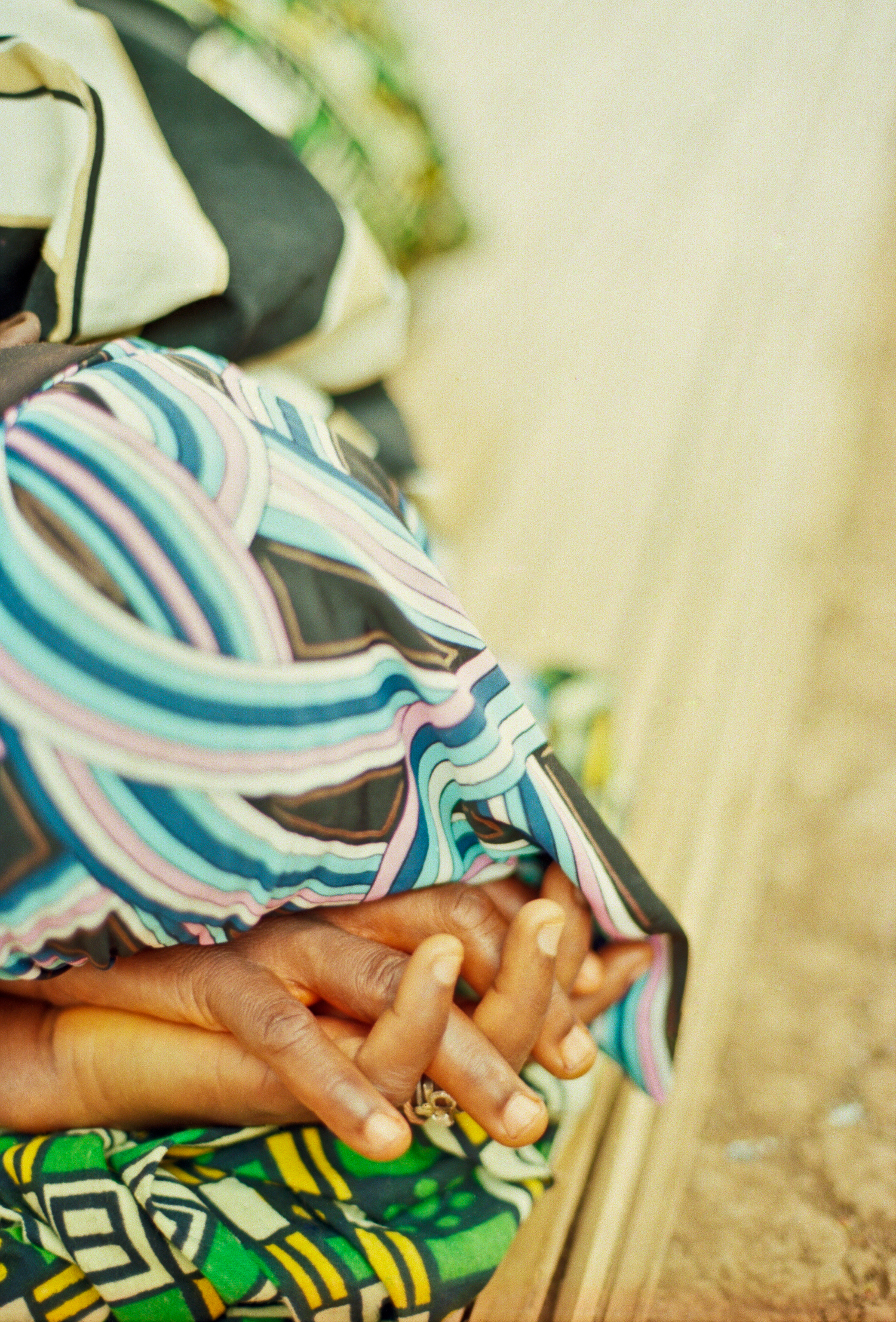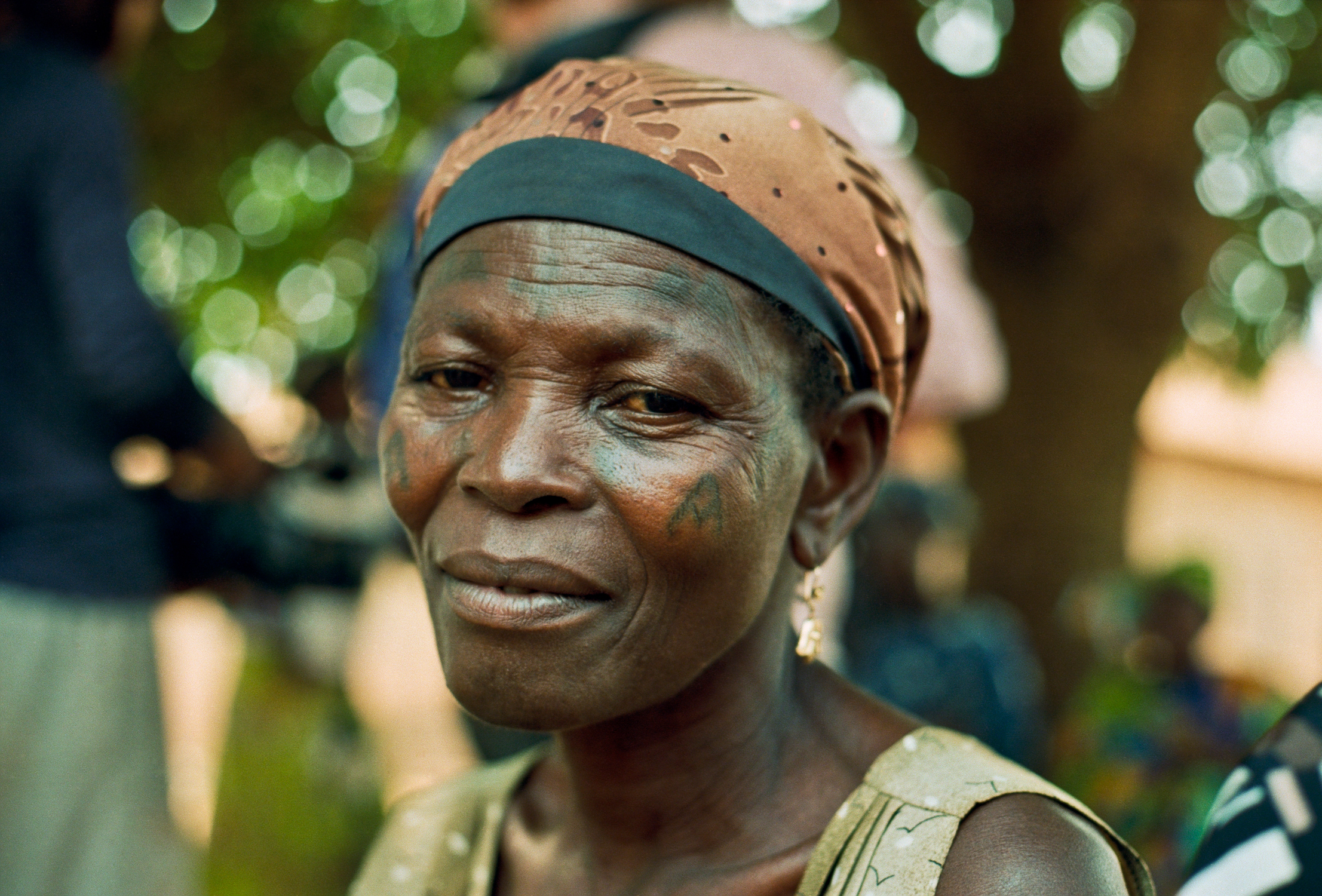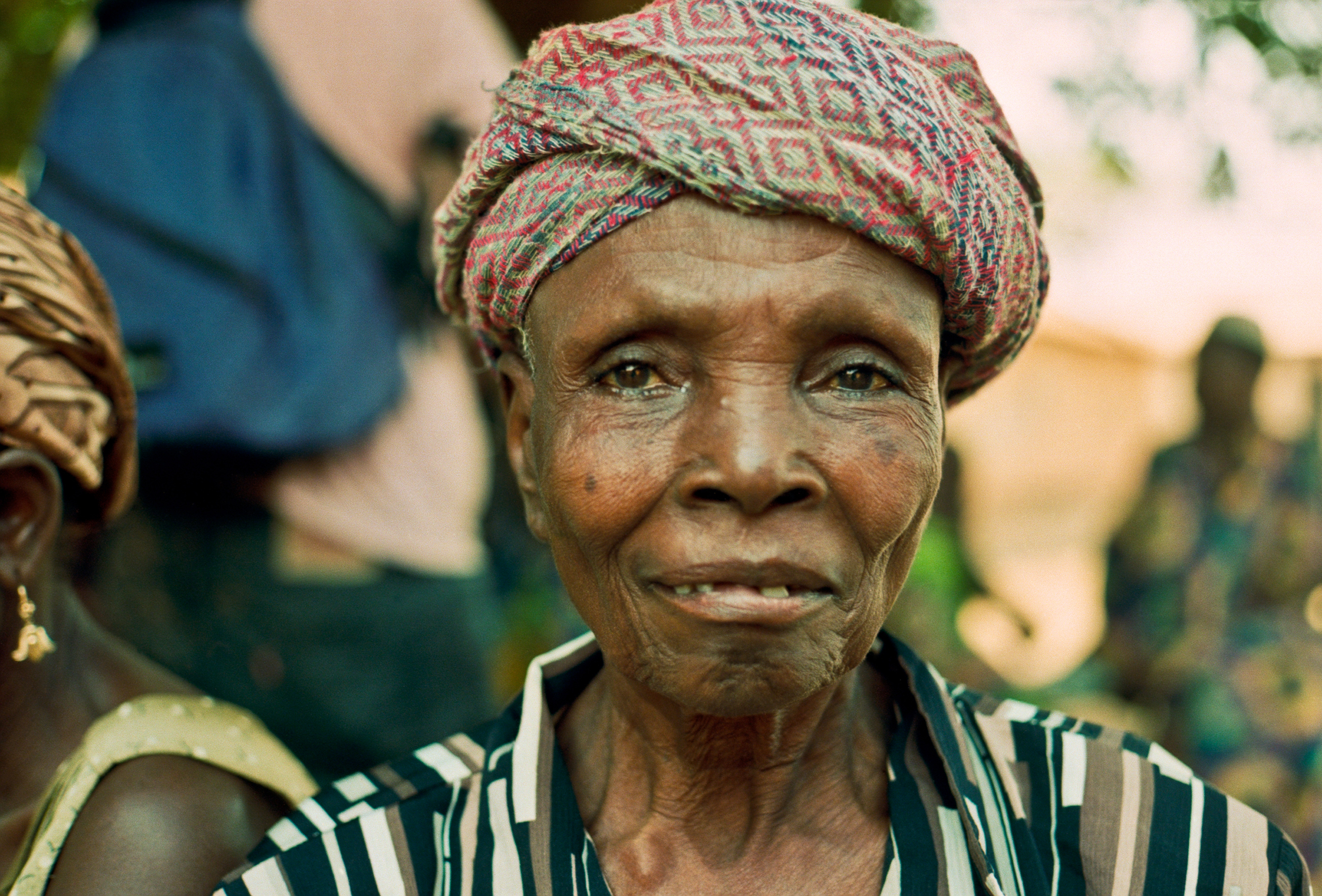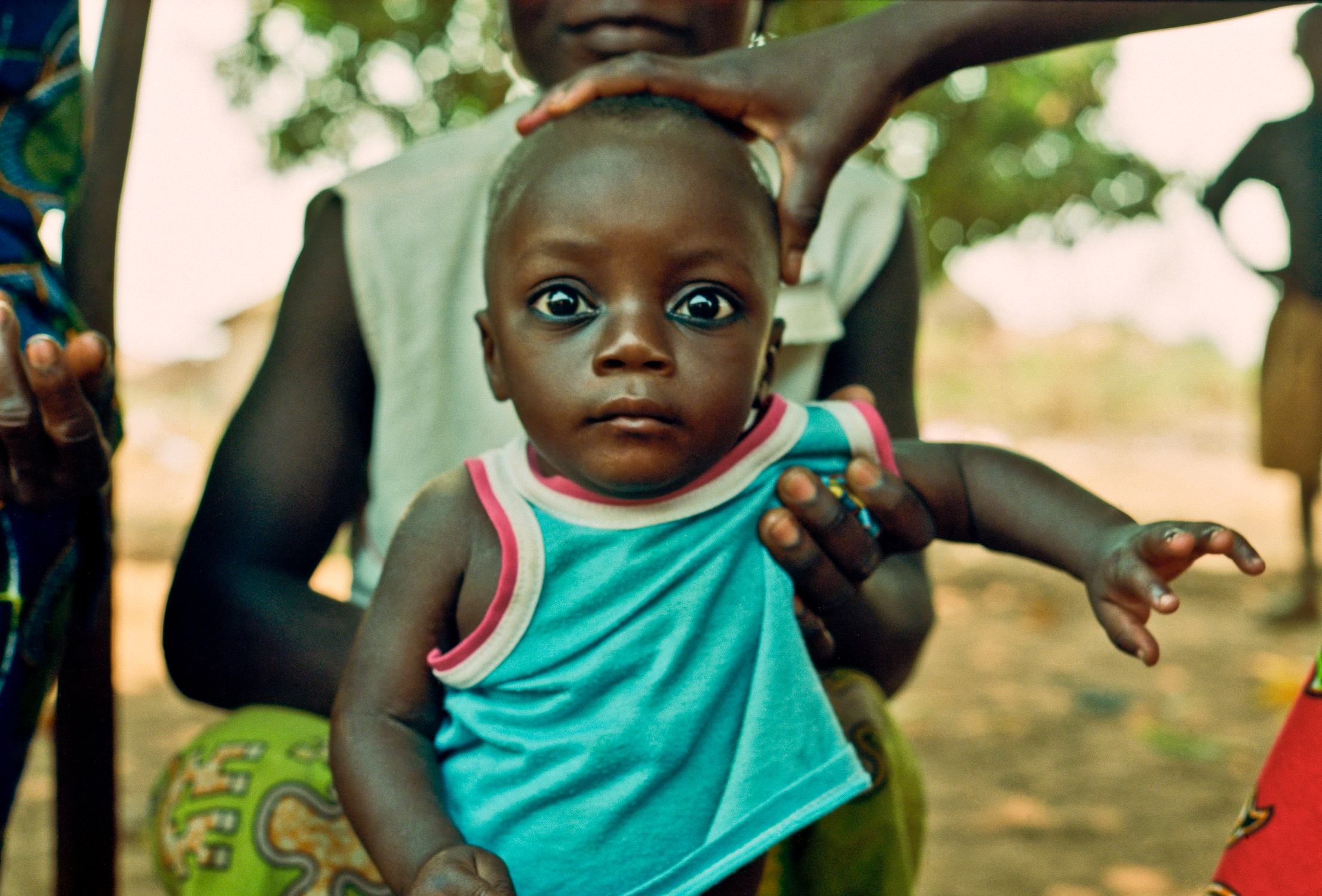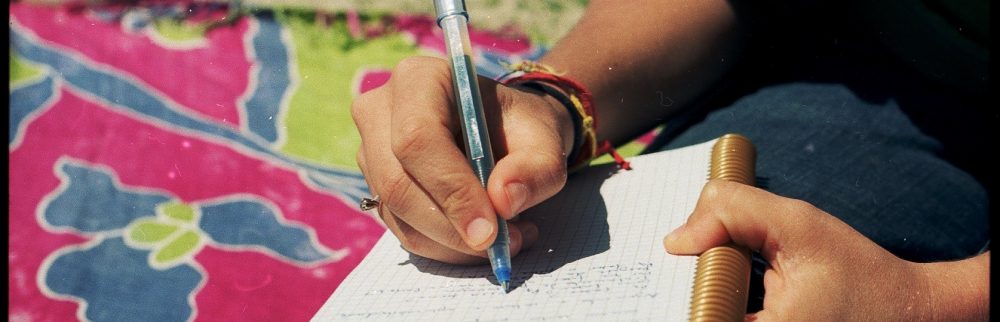
David Alan Harvey vai à praia

Scan010009Scan010006Scan010005

Scan010010
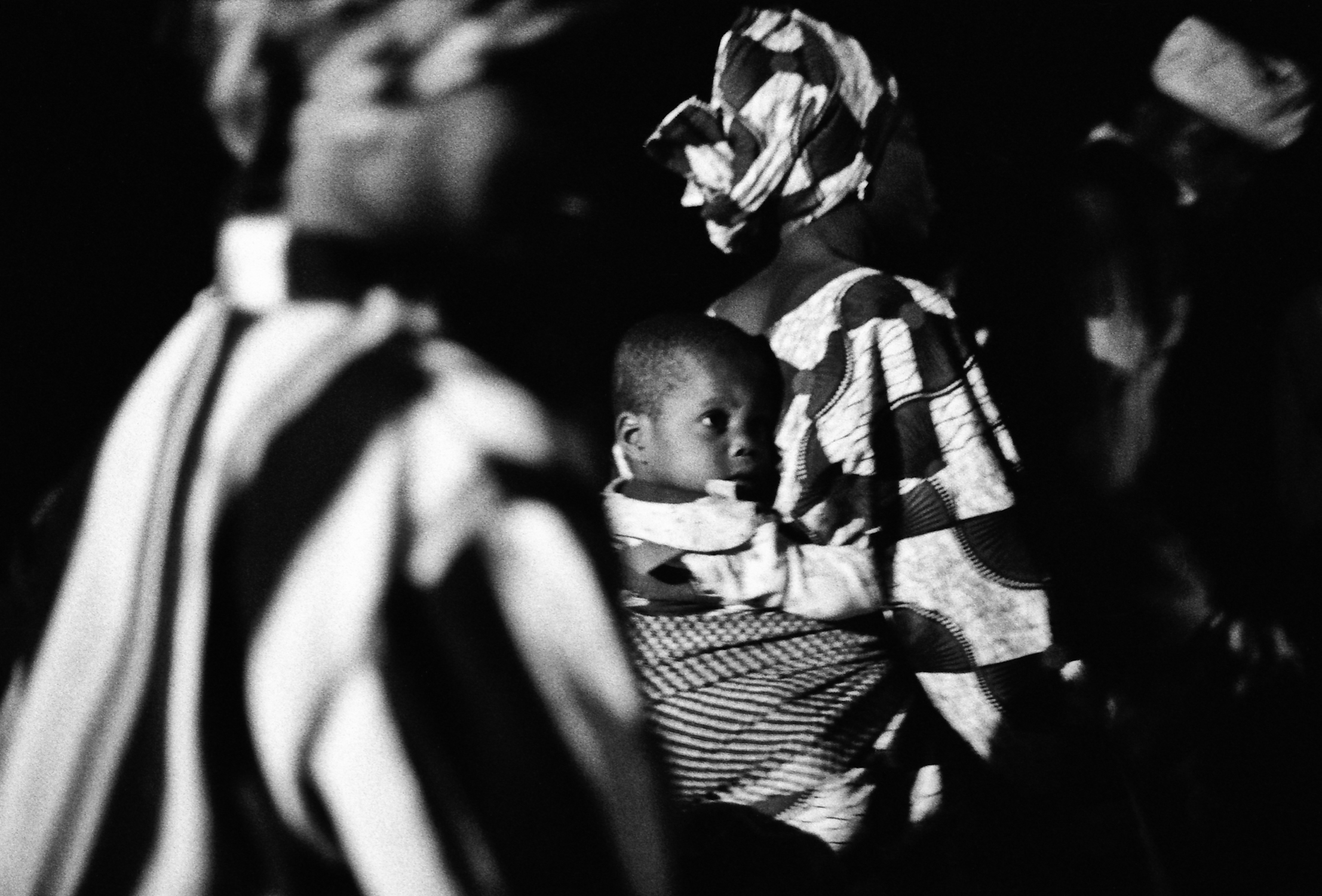
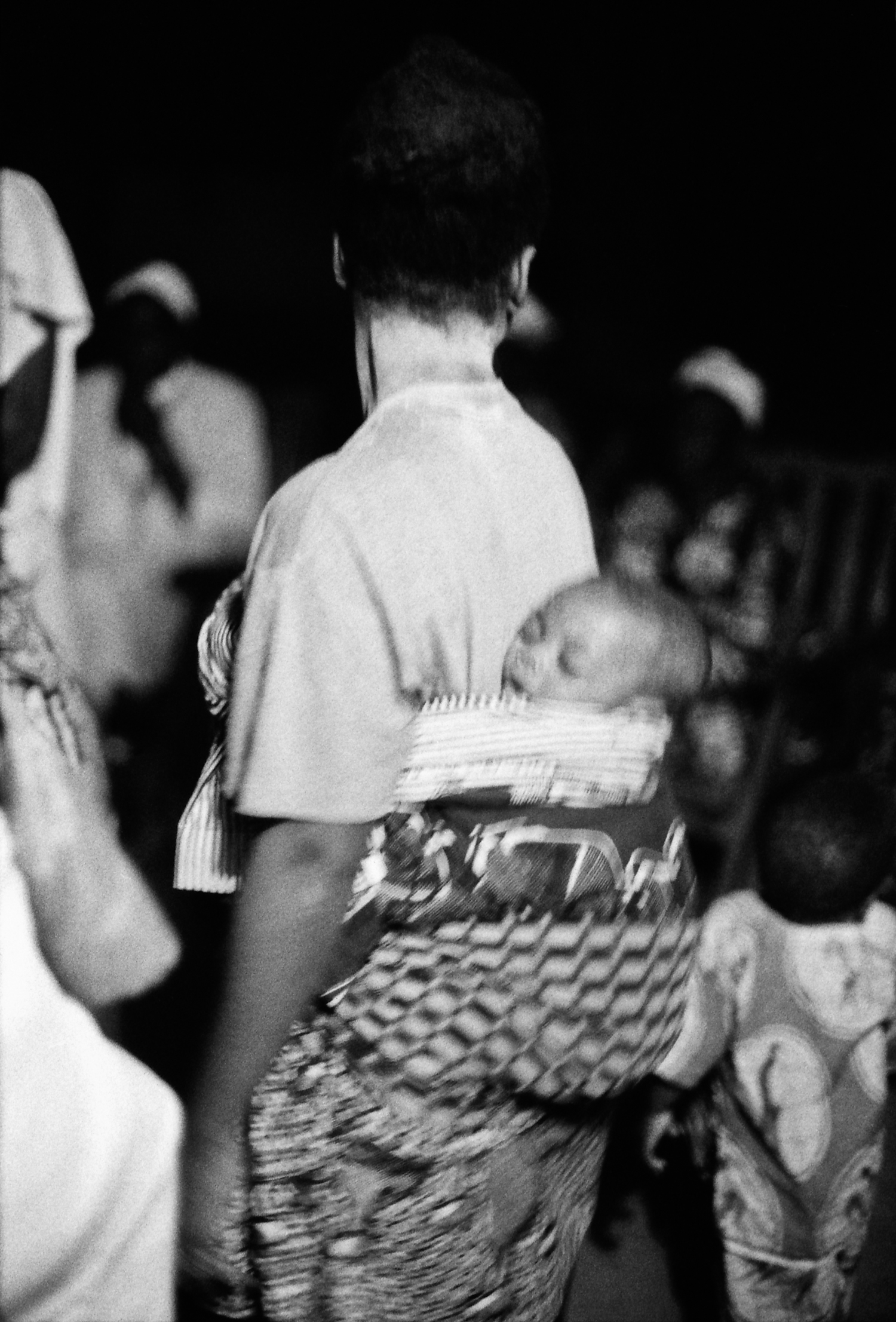
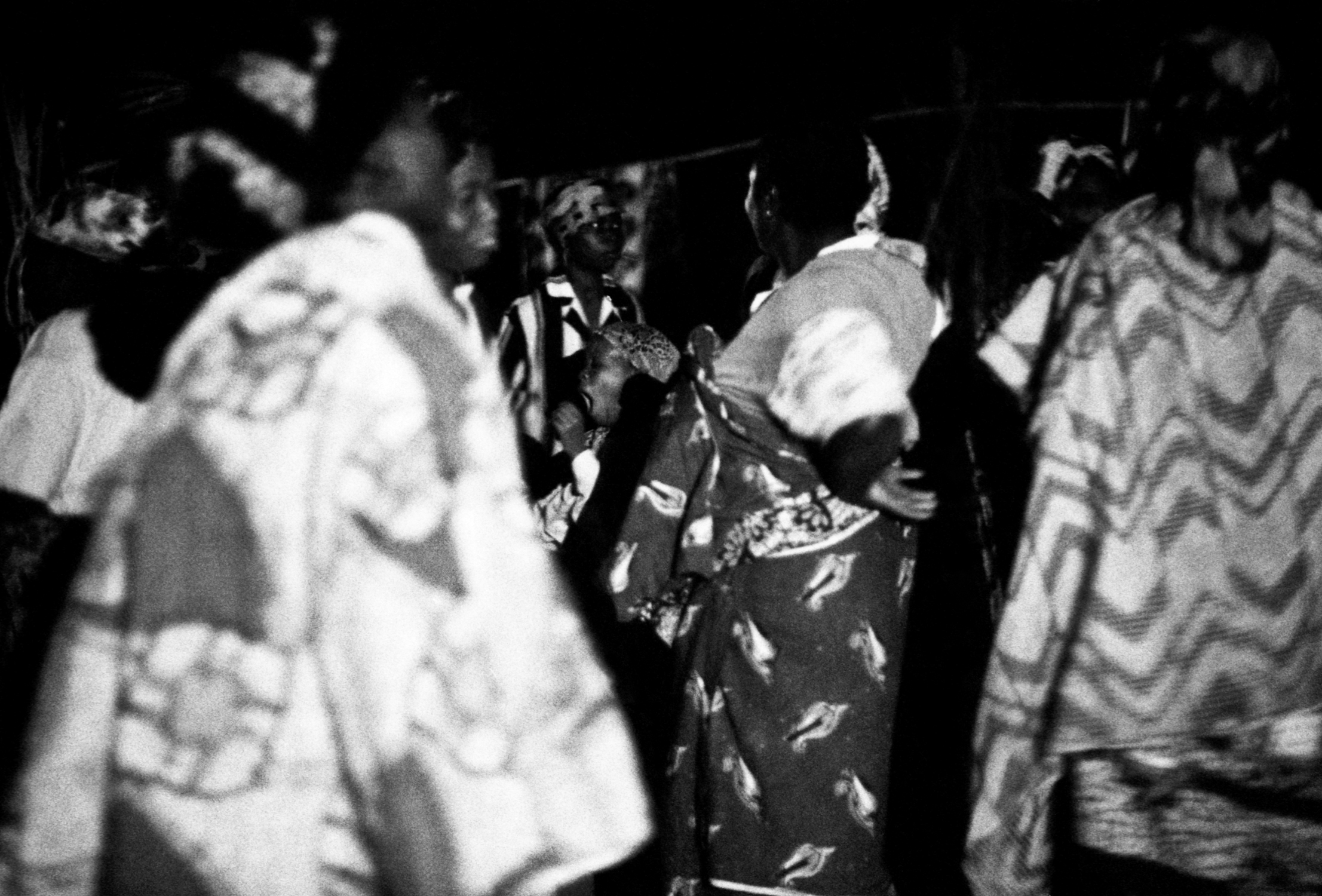
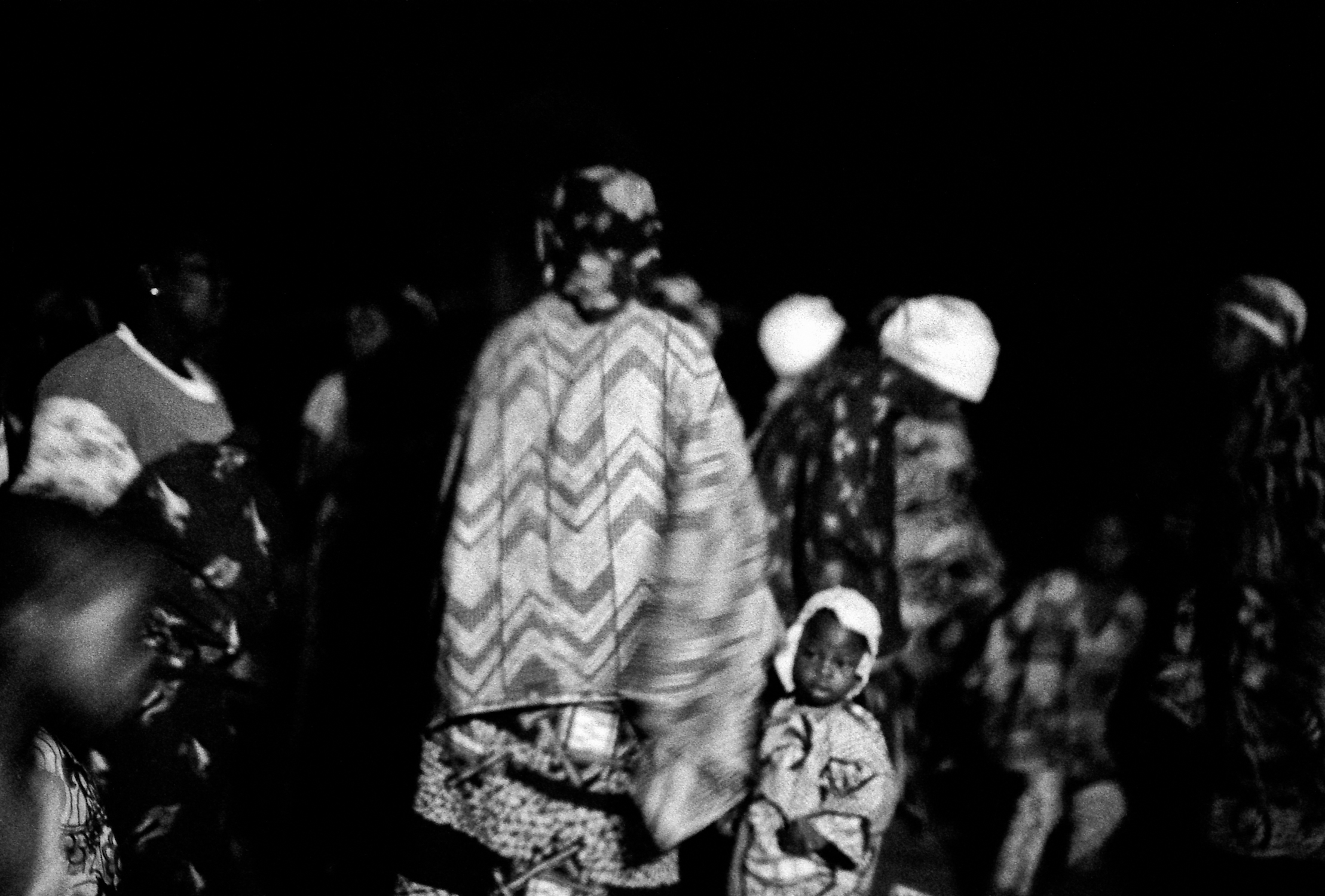
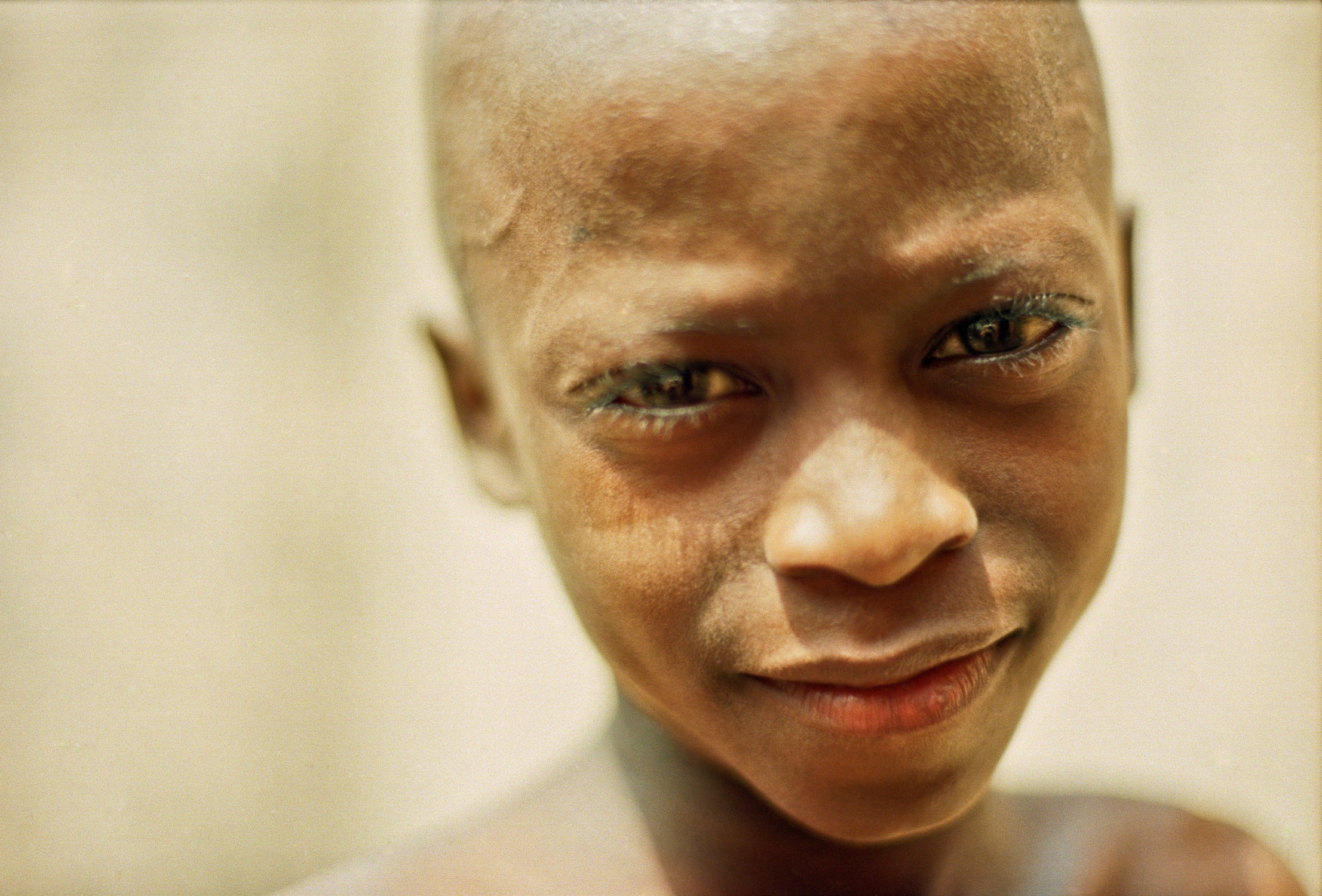
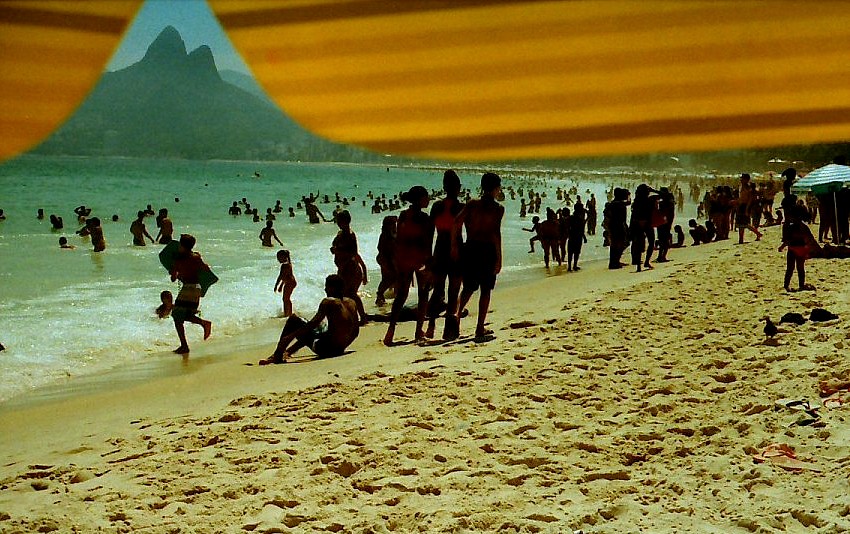
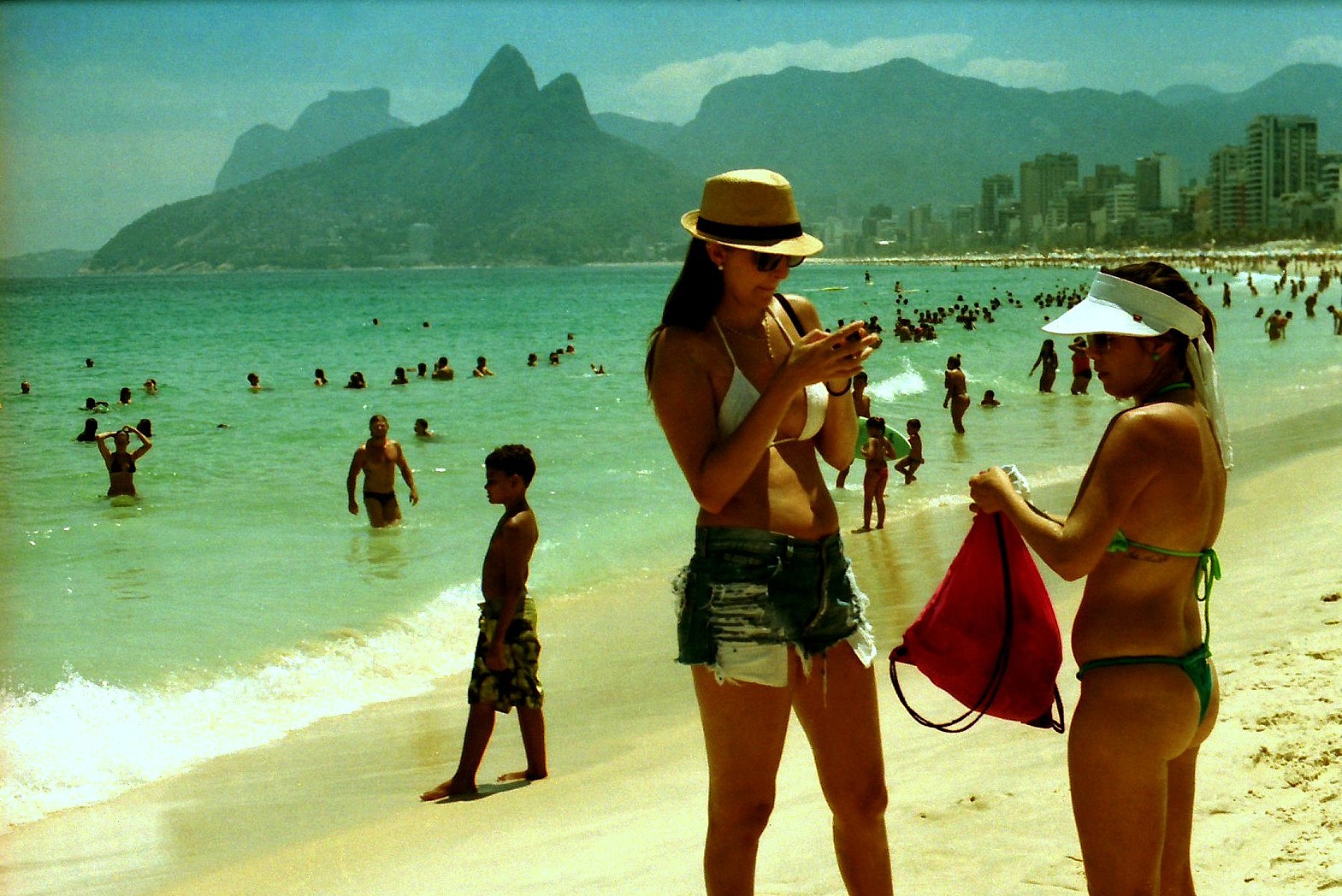
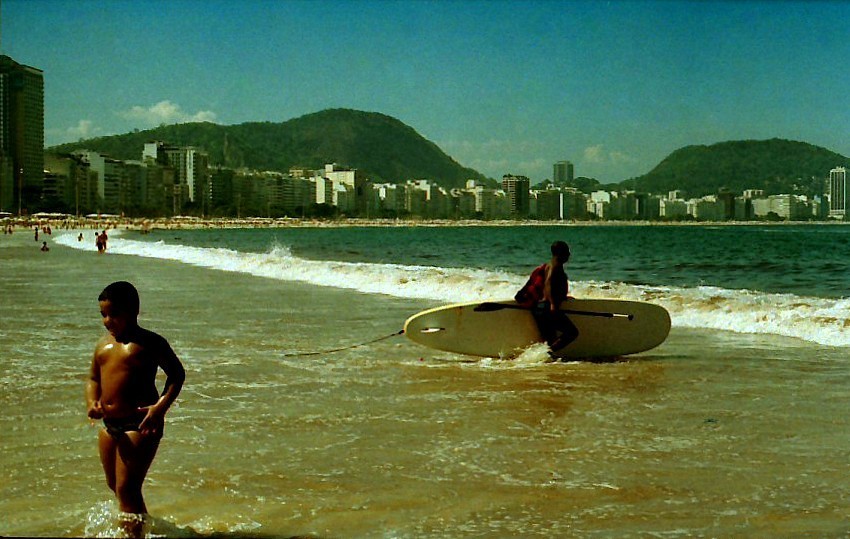
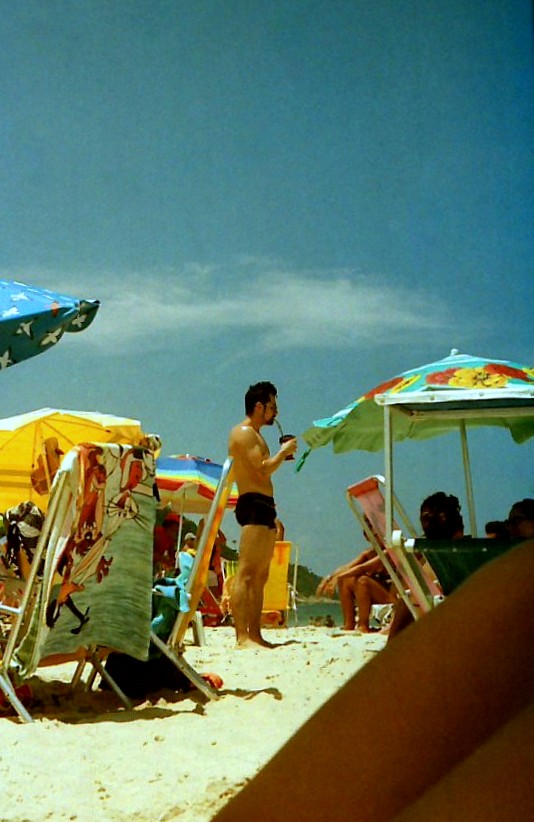
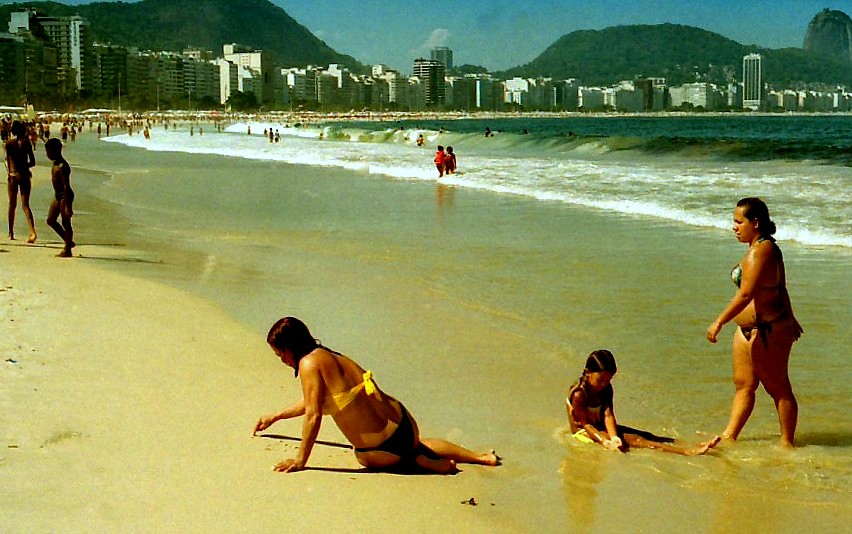
Na sexta-feira 13 que antecedeu o carnaval desse ano, passei uma tarde com o fotógrafo David Alan Harvey na praia, no Rio de Janeiro. O que segue abaixo são fotos feitas nesse dia e algumas perguntas respondidas por ele.
Scan010007

Continue lendo.

Scan010002Scan010004 Scan010003

Você tenta intencionalmente evitar a reprodução de estereótipos e clichês em suas fotos?
Eu também fotografo clichês, só não publico. Estou tentando chegar na essência das pessoas para além do que está visível. Não sei bem como eu faço isso, mas sim, é intencional. A maioria das pessoas que eu fotografo, eu já passei algum tempo conversando com elas. Eu tenho uma ou outra foto aleatória tirada nas ruas no estilo Cartier-Bresson, que era o que eu queria fazer no início, mas aí eu percebi que desfruto de estar com as pessoas. Então eu me proponho a conhecê-las. Eu passo tempo nos mesmos lugares, vejo as mesmas pessoas de novo, várias vezes. Eu as estudo como um ator faria com seu personagem. Atores naturais da vida real. Eles estão em toda parte. Aqui mesmo, agora. Alguém aqui é mais interessante que outro. Algumas pessoas são simplesmente mais expressivas. Não sei porque, só sinto.

A maioria do que vocês gostam de saber sobre as fotografias se encaixam na categoria do inexplicável. E a verdade é que eu nem gosto de pensar demais sobre isso. Eu não fico conversando ou racionalizando o trabalho durante o processo também. Eu vou pra rua. Entro no embalo e vou. É quase como um relacionamento. Eu não sei se vai durar pra sempre, se vai acabar amanhã. Mas enquanto tá rolando eu não questiono. É um processo difícil de explicar. Semelhante à musa de inspiração pra qualquer artista: pintores, escritores, eles sempre tiveram musas. Eu sou como eles.
Scan01

E nessa busca pela essência você acredita que as pessoas são, no íntimo, parecidas?
Você respondeu à sua própria pergunta. Em qualquer lugar do mundo em que você for, se você tirar fora religião, política, língua, o que sobram são pessoas. Com as mesmas emoções. Por um lado, todos são diferentes, singulares. Mas algumas características da natureza humana são as mesmas, em toda parte. Tirando fora as roupas tradicionais, as religiões e o que mais houver, lá no fundo você encontra as mesmas pessoas que moram no quarteirão onde eu moro. Ou minha família.

Scan130001

Então por que fotografar o diferente? Por que não fotografar o similar?
Não tenho nada contra pessoas como eu, mas sempre me atraí mais pelos descendentes de africanos, desde o meu primeiro projeto longe de casa. E eu aprendi a me relacionar e conviver com os negros bem cedo, com sua cultura e forma de viver. Eu sempre acabava fazendo trabalhos com comunidades indígenas ou negras. Eu me atraio pela música, pelo estilo de vida: fui sendo puxado pra eles.

Scan130004

Como é essa história da musa?
Eu tive duas musas em toda a minha vida, ambas nos últimos quatro anos. Sempre tenho que me sentir apaixonado pra conseguir trabalhar. Houveram outras musas, mas elas não eram necessariamente fotografadas. Eu tive namoradas que não eram musas. Minhas musas, então, costumam ser pessoas com as quais eu não estou me relacionando, não são minhas namoradas. Elas existem pra mim no lugar de criação artística.
Scan010011

Você tem uma predileção por fotografar mulheres?
Eu sempre valorizei a opinião das mulheres, em tudo. Eu preciso delas pra me botarem pra frente, de uma forma ou de outra. E tudo começou com minha mãe. Deve ser por isso que eu gosto de fotografá-las. As pessoas distorcem essa história de um jeito que eu não gosto. E isso ou é porque elas nunca conversaram com as mulheres que eu fotografo ou porque eles nunca presenciaram como eu as fotografo.

Scan130005

E por que você acha que as pessoas confiam em você e te deixam chegar perto?
Acho que nunca fui rejeitado por um grupo político ou social com o qual quis trabalhar. E eu já trabalhei com todo tipo de gente: de direita, de esquerda, de tudo. E dá certo porque eu não julgo ninguém, em primeiro lugar. Eu não tô ali pra julgar ninguém. E, ao mesmo tempo, não sei retratá-los mal. Eu já até tentei fazer sátira, mas não é minha praia. Até queria saber fazer isso melhor, só que agora já é meio tarde demais. No fim, eu deixo todo mundo bem na fita. E as pessoas percebem que eu não tenho motivações políticas ou sociais, que eu não quero que eles façam nada pra mim. Só sou curioso. E documento isso. Uma parte é bem documentário, e outra transborda pro lado artístico, que me interessa muito mais que o jornalístico.
Scan130007

Tanto seu público quanto aqueles que você fotografa parecem ser, majoritariamente, jovens. É isso mesmo?
Minha audiência não tem ninguém da minha idade. E eu não me identifico com as pessoas da minha idade mesmo, então tudo bem. Tenho 70 anos. A galera que trabalha comigo tem vinte e poucos anos. Acho o povo de 45 anos de hoje muito velho. De verdade.

Scan010001

Você prefere os jovens por alguma razão?
É uma relação simbiótica. Os jovens trazem mais energia que os mais velhos. Não tem relação com a idade, mas, com o tempo, muita gente fica cínica, acomodada e se recusa a mudar. Então com os jovens eu me sinto mais eu mesmo. Muito mais do que com as pessoas da minha idade. Eu teria que ficar me explicando o tempo todo, e isso seria exaustivo. Com os mais jovens eu só preciso falar uma vez, eles entendem e estão prontos pra me acompanhar. Porque eles ainda são idealistas! Eu também. Sou completamente idealista. Sou um sonhador.

Mas também sou engenhoso. Uso o lado direito do cérebro pra tudo que é paixão e criatividade, mas também posso virar a chave e ficar tipo: vamos fazer isso aqui acontecer! Eu concretizo. Então eu sou um sonhador no princípio e prático no final. E pra tudo aquilo que eu não sei fazer – que é muita coisa – eu conto com uma equipe de pessoas pra me ajudar. Tenho equipes em diferentes países pra me ajudar.
Scan130002

E o lado direito do cérebro, como opera?
Sou muito intuitivo e festeiro. A festa é parte do trabalho. Só assim eu consigo. E milagres acontecem comigo. Não é muita gente que tem essa sorte que eu tenho. Eu negava a sorte antes. Achava que era tudo fruto de trabalho. Mas agora eu só concordo. Sou sortudo mesmo.

Scan130003

Essa visão romantizada do fotógrafo como observador nômade… você corrobora?
As viagens nunca foram o aspecto da fotografia que me atraía, ao contrário de muita gente. Isso meio que aconteceu. Porque o jeito que eu arrumei de ganhar dinheiro e mandar meus filhos pra universidade foi trabalhando pra National Geographic. E eu sou grato por isso, porque foi ali que eu tive minha verdadeira instrução em fotografia. Mas eu não gosto de viajar; gosto de estar nos lugares.

Scan13

Fotos e entrevista por Maria Bitarello.
* Outra versão dessa entrevista foi publicada no blog da Design de Causas.
The sewing machine

Singer,
You are my great great-grandmother’s sewing machine
Like a propeller sounding machine
And old school gates
You are a metallic taste
You are weight and rust

I give you my memories
Which in turn make you more than just an inanimate object
I give you the stuff of life
Love, meaning and a story

Bring me the understanding and acceptance
that everything that we live happens only once

 Scan08

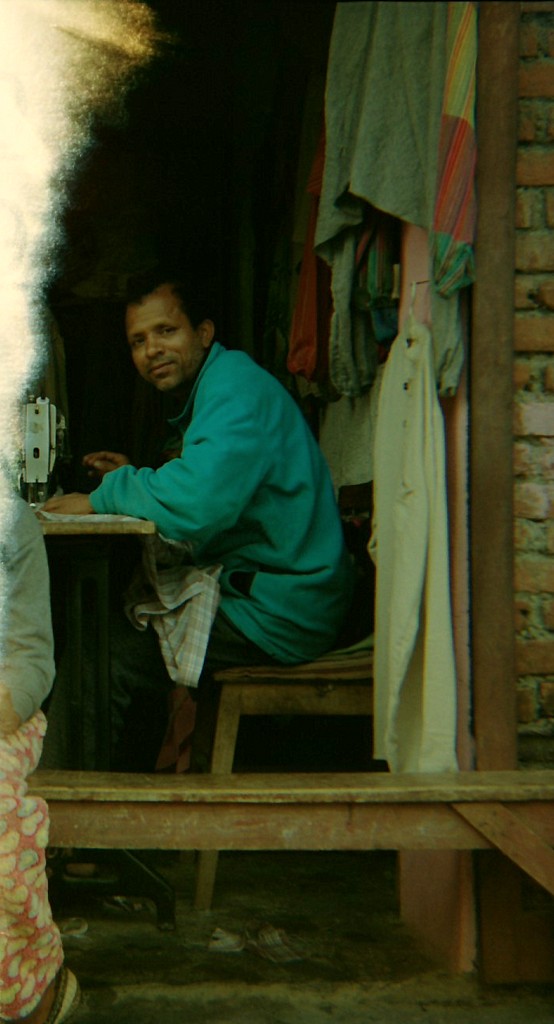
I hear it before I see it. Propeller sounding machine. It slows down. Pauses. Resumes. Like propellers ready for take off. Then I see it. Singer sewing machine. It looks just like the one my mother inherited from her grandmother. Looking at this one now, in Bandipur, Nepal, I remember the one back home.

When I was little, I used to sit down on the pedal. It’s all metal, heavy and rusted, and I had a hard time making it move. Even with all of my weight on top of it. I didn’t know, then, how this woman in front of me could be performing her task so graciously and effortlessly. If you step on the pedal as you turn the wheel with one hand, the weight is gone. Suddenly, that heavy surface is moving in waves and requiring very little pressure on it. Because the simultaneous hand motion that keeps the wheel turning is constant.

I also remember the smell of that sewing machine – the smell it left on my hands after I ventured over, under and around it. It smelled like old school gates. Abandoned cars. It smelled of time past. That’s what everyone says you experience in your mouth when you’re on antibiotics. A metallic taste. We all know what that tastes like.

The trick to sowing, so I’m told, is feeding the thread into the hole, sliding the piece of cloth you’re working on and synching it to the speed of the up-and-down motion of the needle. In some ways, it’s like playing the drums. Each of your four limbs is performing a different task, independent of each other, but absolutely complementary and vital to the whole.

My mom’s not into cooking, but she learned to sew. And she’s left handed, which gives her a charming and clumsy flair in anything manual she is undertaking. It’s one of those surprises about her that opened up a window through which I could peek and see a bit of her before maternity. A woman I never met and will never meet. It is both curious and moving to me.

And because time refuses to stop, slow down or speed up, all I get to see is the turning of the wheel. Of the sewing machine. Of koras. Of samsara.

Three souls at the stupa

Scan03

She didn’t give it much thought. She turned each wheel with clutched fingers, stiff wrists and pushed her way to the next one with non-cooperative legs that seemed to want to be still. Yet she pursued, 108 times around the sixteen sides of the stupa, blissfully ignoring her body’s counter will. Pushing through, ignoring the pain in her knuckles, the cold on her fingers, the fatigue on her calves from holstering her body upwards every time a wheel was turned. Yet, silently and doubtlessly acquiescing to her faith.

Scan08

He read on Lonely Planet that the Boudhanath Stupa was a sight not to miss. As a diligent traveler and re-teller of his sight-seeings, he did not hesitate or even question the instruction he was given. Inside, iPad in hand, backpack filled with two full bottled waters, hand sanitizer and prayer beads dangling, he observed. Not sure what was happening, but yet respectfully watching, from a distance seemingly unbridgeable between himself and the hundreds of devoted Buddhists circling the stupa. And in their ignorance of each other, neither tourist nor devotee realize their common ground. For he, too, followed to heart his truth. Lonely Planet’s truth.
Scan04

No one knows when the dogs first claimed the stupa as their own. They’ve just always been here. Some were bred and raised under the dome of Buddha. Others wandered in accidentally. They’re not all the same size, height or breed. Some look ill. Others, hungry; or just defensive. At night, they claim their turf. They brawl, make love and ruckus under the moon, eat, piss and shit as they wish. At daytime, consciously standing their ground, they scatter their furry bodies over the path of koras, a blunt statement of territorial affirmation. We zigzag around them. We know. They have been here since times unknown. They’re the primordial dogs.

Scan12

Postcards from the roof of the world

Scan04

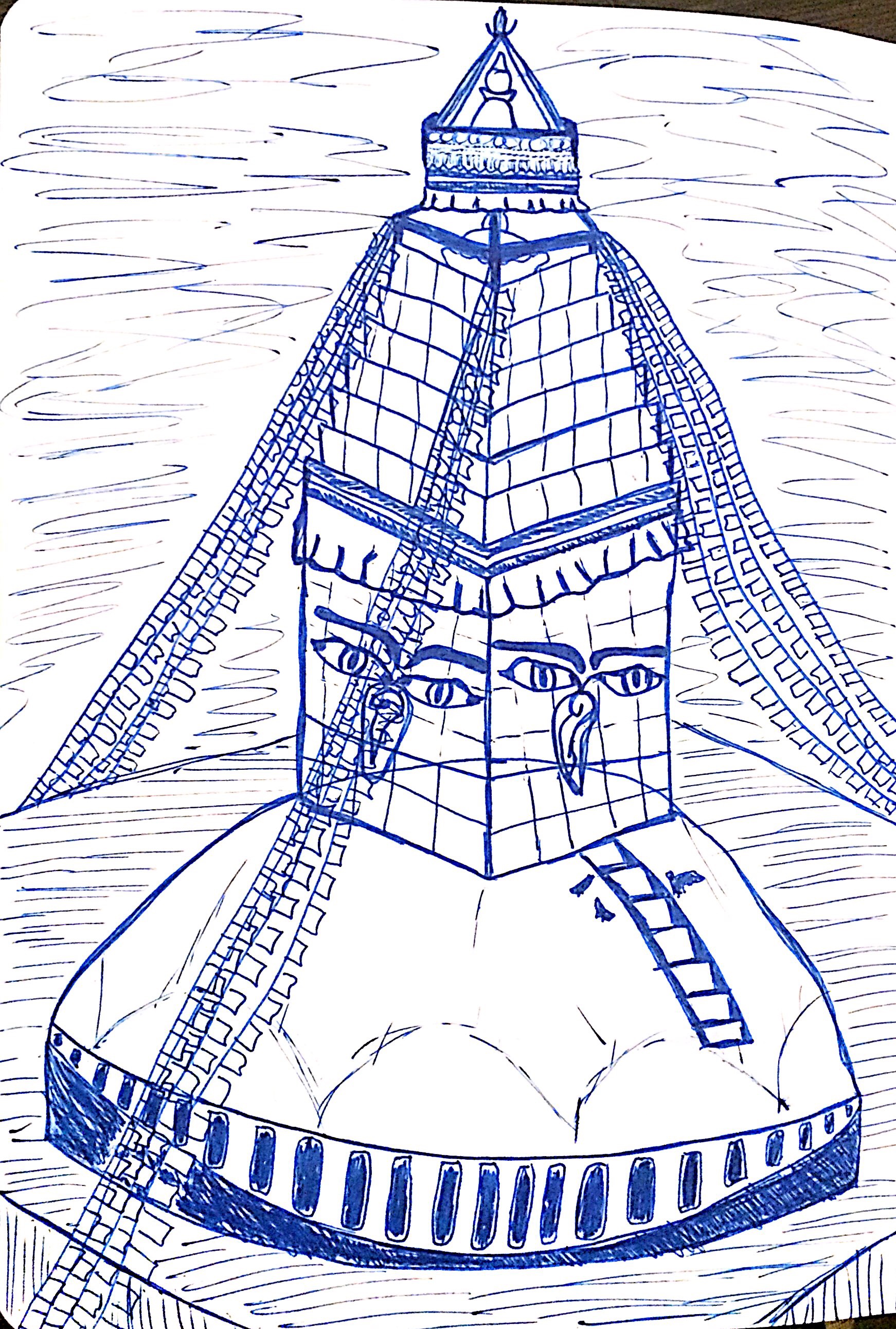
Boudhanath Stupa, Kathmandu, Nepal

Scan06

Morning chat @ Boudhanath Stupa, Kathmandu, Nepal

Scan08

Monks @ Boudhanath Stupa, Kathmandu, Nepal

Scan07

Koras and wheels @ Boudhanath Stupa, Kathmandu, Nepal

Scan02

Candles and wheels @ Boudhanath Stupa, Kathmandu, Nepal

Scan11

Koras @ Boudhanath Stupa, Kathmandu, Nepal

Scan12

Koras and wheels @ Boudhanath Stupa, Kathmandu, Nepal

Scan20

Monks @ Boudhanath Stupa, Kathmandu, Nepal

Scan16

Monasteries and temples @ Boudhanath Stupa, Kathmandu, Nepal

Scan01

Candles and prayers @ Boudhanath Stupa, Kathmandu, Nepal

Scan02

Happiness Guest House @ Boudhanath Stupa, Kathmandu, Nepal

Scan03

Faith and prostrations @ Boudhanath Stupa, Kathmandu, Nepal

Scan05

Morning paper, friends and Buddha @ Boudhanath Stupa, Kathmandu, Nepal

Scan05

Monks @ Boudhanath Stupa, Kathmandu, Nepal

Scan10

Market life @ Boudhanath Stupa, Kathmandu, Nepal

Scan06

Writing refuge @ Boudhanath Stupa, Kathmandu, Nepal

Scan07

Writing on rooftops @ Boudhanath Stupa, Kathmandu, Nepal

Scan22

Real life outside Boudhanath Stupa, Kathmandu, Nepal

Scan03

Real life outside Boudhanath Stupa, Kathmandu, Nepal

Scan30

Cremations @ Pashupatinath, Kathmandu, Nepal

Scan09

Prayer for Kali @ Pashupatinath, Kathmandu, Nepal

Scan10

Market @ Pashupatinath, Kathmandu, Nepal

Scan11

Bodhi Tree @ Pashupatinath, Kathmandu, Nepal

Scan12

Across the river from Pashupatinath, Kathmandu, Nepal

Scan02

Librarian and business man in Bandipur, Nepal

Scan01

Business man in wallpaper in Bandipur, Nepal

Scan37

Warm hands in Bandipur, Nepal

Scan03

Laundry @ Fewa Lake, in Pokhara, Nepal

Scan04

Laundry @ Fewa Lake, in Pokhara, Nepal

Scan03

Row boats @ Fewa Lake, in Pokhara, Nepal

Scan05

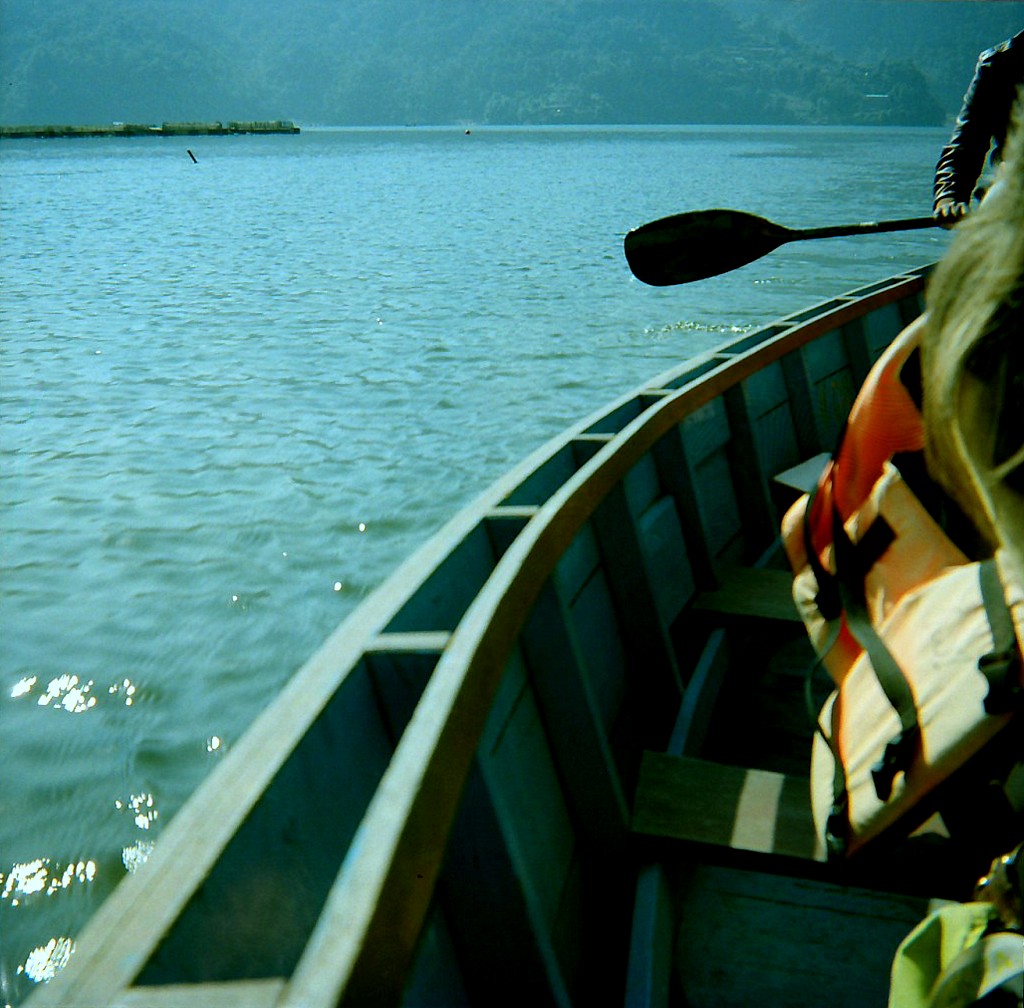
Boat and oar @ Fewa Lake, in Pokhara, Nepal

Scan01

Rowing across Fewa Lake, in Pokhara, Nepal

Scan07

Rowing across Fewa Lake, in Pokhara, Nepal

Scan03

The Peace Stupa @ Fewa Lake, in Pokhara, Nepal

Scan04

The Peace Stupa @ Fewa Lake, in Pokhara, Nepal

Scan10

Parahawking @ Sarangkot, in Pokhara, Nepal

Scan11

Paragaliding @ Sarangkot, in Pokhara, Nepal

Scan07

Prem @ Sampada Inn, in Pokhara, Nepal

Scan05

Women weaving in Pokhara, Nepal

Scan06

Women weaving in Pokhara, Nepal

Scan08

My taylor in Pokhara, Nepal

Scan08

Chess @ Sidewalk, in Pokhara, Nepal

Scan12

Karma Cuts in Pokhara, Nepal

Scan11

Sadhu @ Riverside, in Pokhara, Nepal

Scan13

Holy cows outside Pokhara, Nepal

Scan10

Gurkha warriors @ Recruitment Center, in Pokhara, Nepal

Scan04

Gurkha training @ Recruitment Center, in Pokhara, Nepal

Scan23

NG, the sherpa guide to Gurung Lodge, Nepal

Scan35

Trek to Gurung Lodge, Nepal

Scan25

Millet drying @ mountain village around Gurung Lodge, Nepal

Scan22

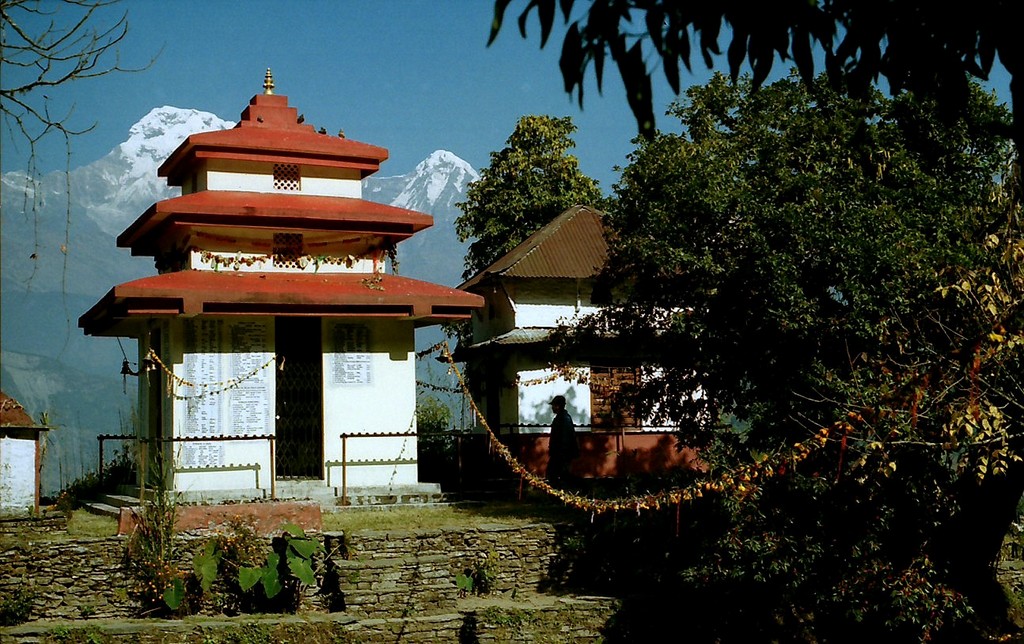
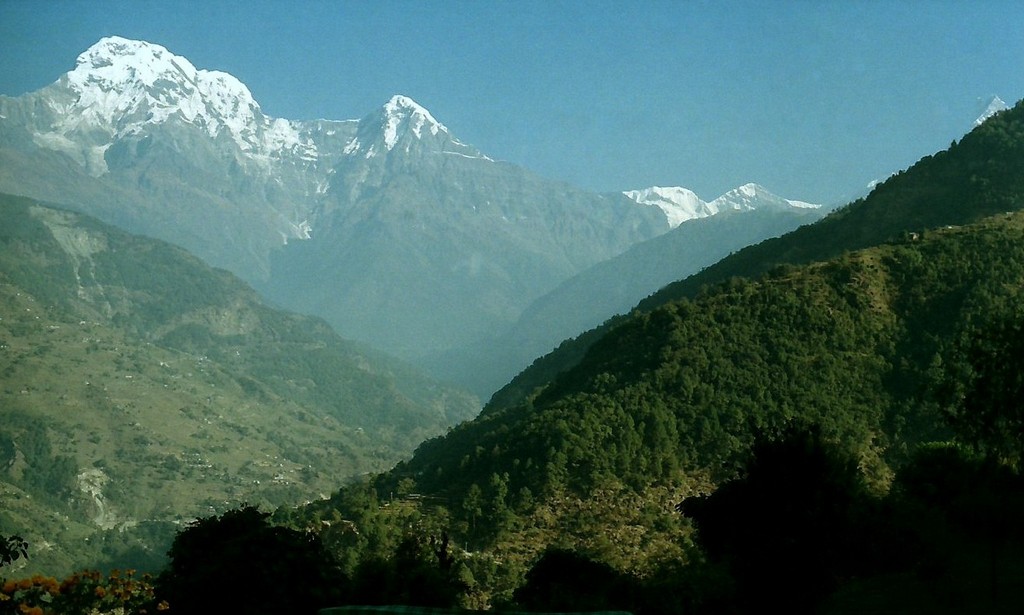
Hindu temple and Himalayas around Gurung Lodge, Nepal

Scan19

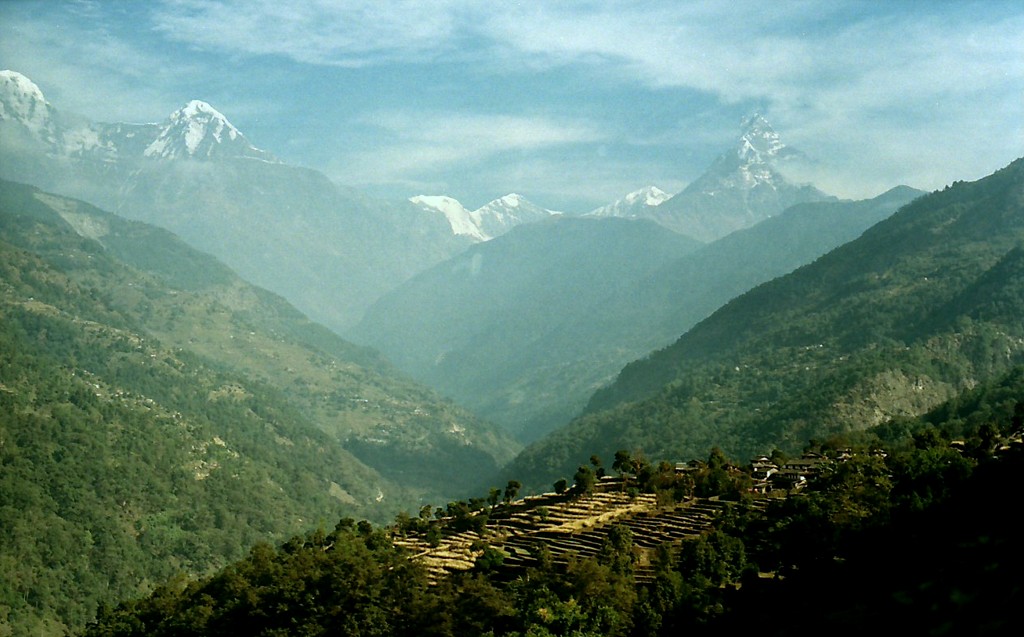
Himalayas around Gurung Lodge, Nepal

Scan20

Hindu temple and Himalayas around Gurung Lodge, Nepal

Scan11

View from Gurung Lodge, Nepal

Scan10

Half-print of mountain view from Gurung Lodge, Nepal

Scan01

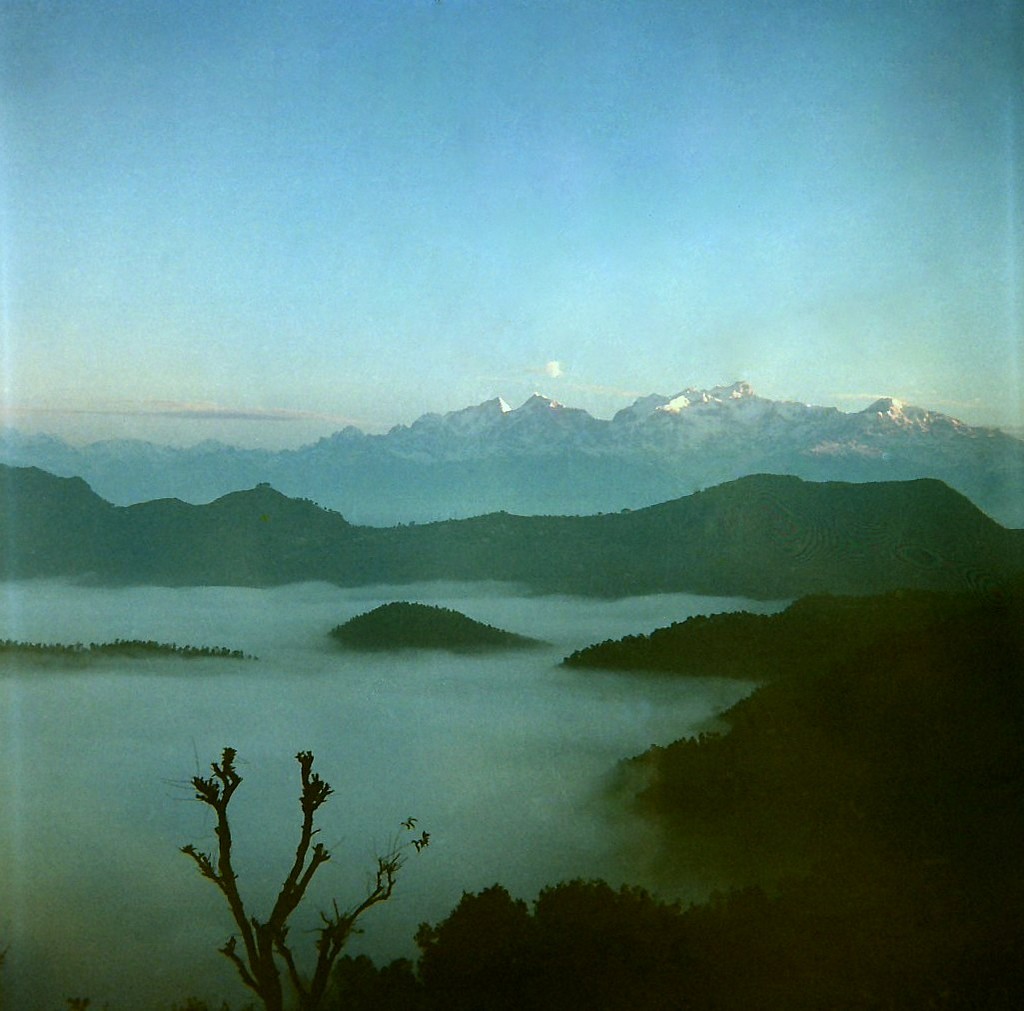
Sunrise, Himalayas and Bandipur, view from Panorama, Lodge, Nepal

Scan02

Sunrise, Himalayas and Bandipur, view from Panorama, Lodge, Nepal

Scan03

The cook and the fog @ Panorama Lodge, Nepal

Scan06

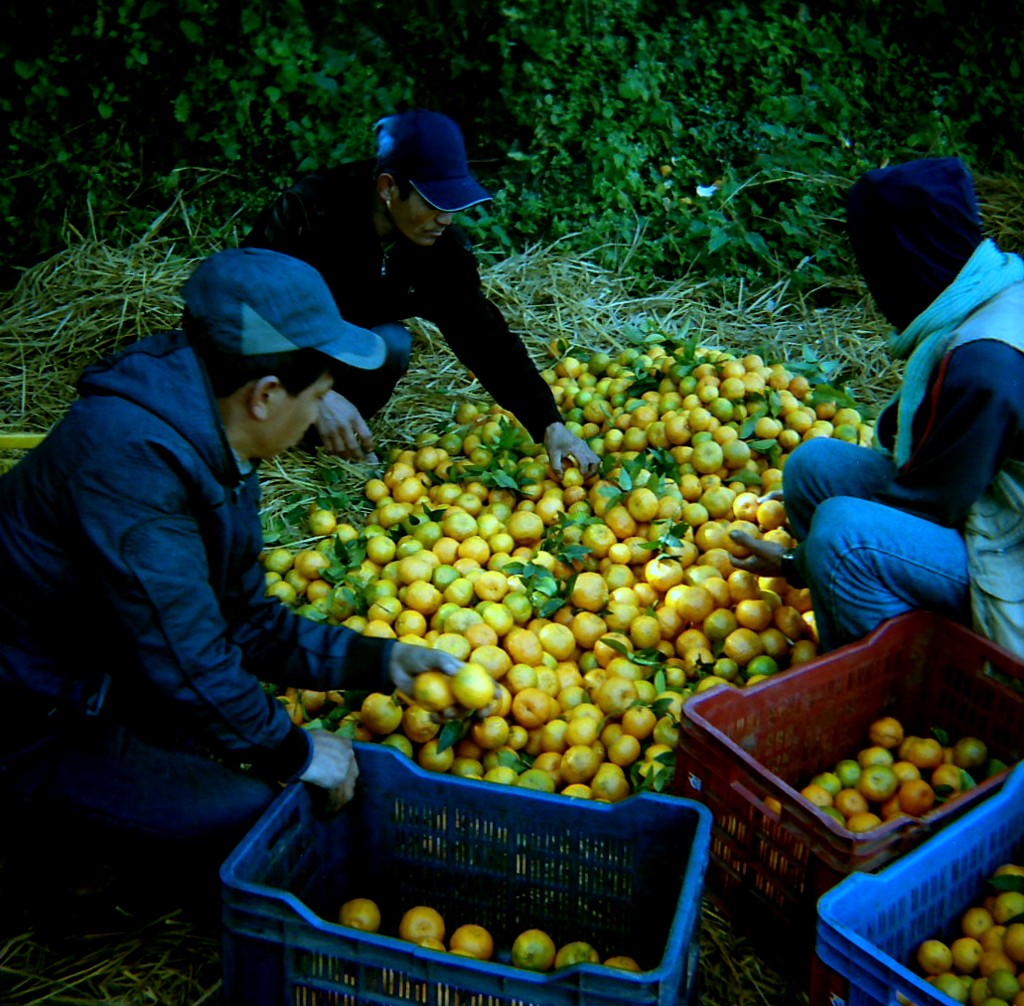
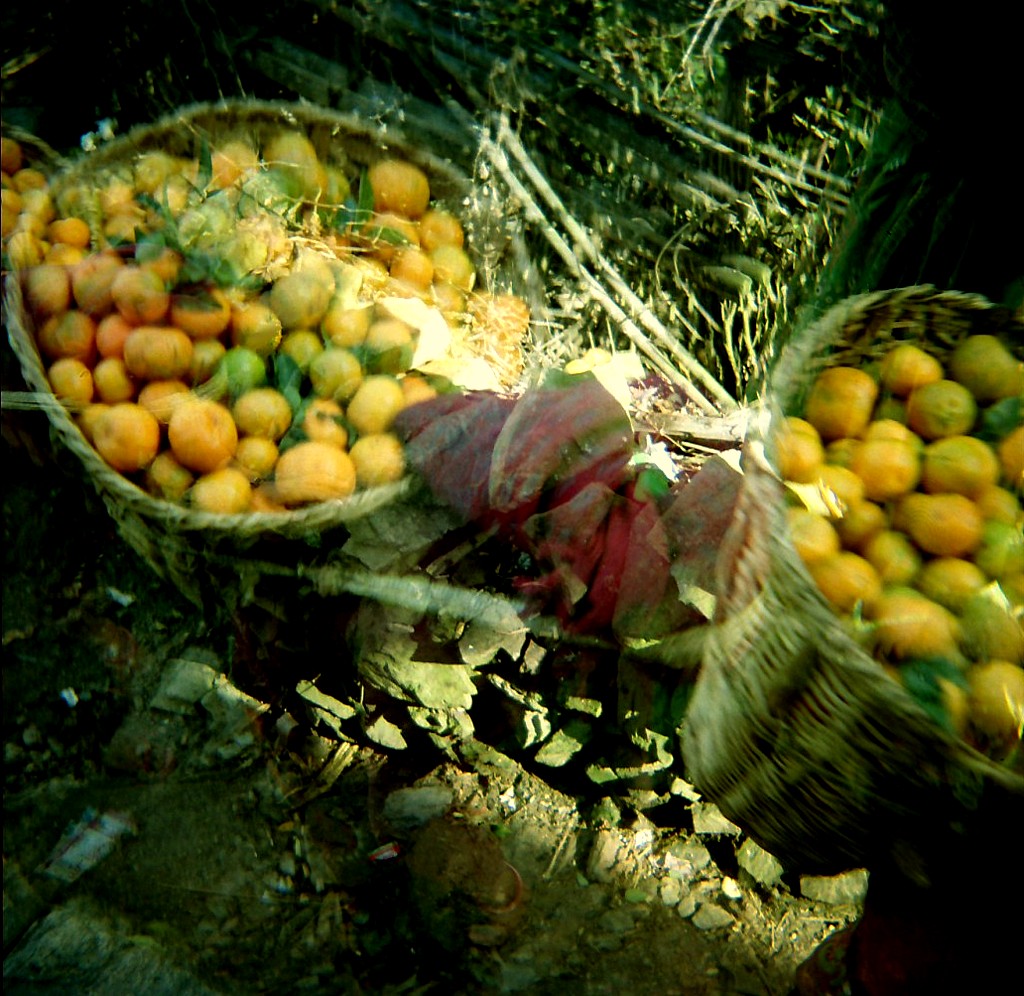
Orange pickers on the mountain villages around Panorama Lodge, Nepal

Scan05

Orange pickers on the mountain villages around Panorama Lodge, Nepal

Scan08

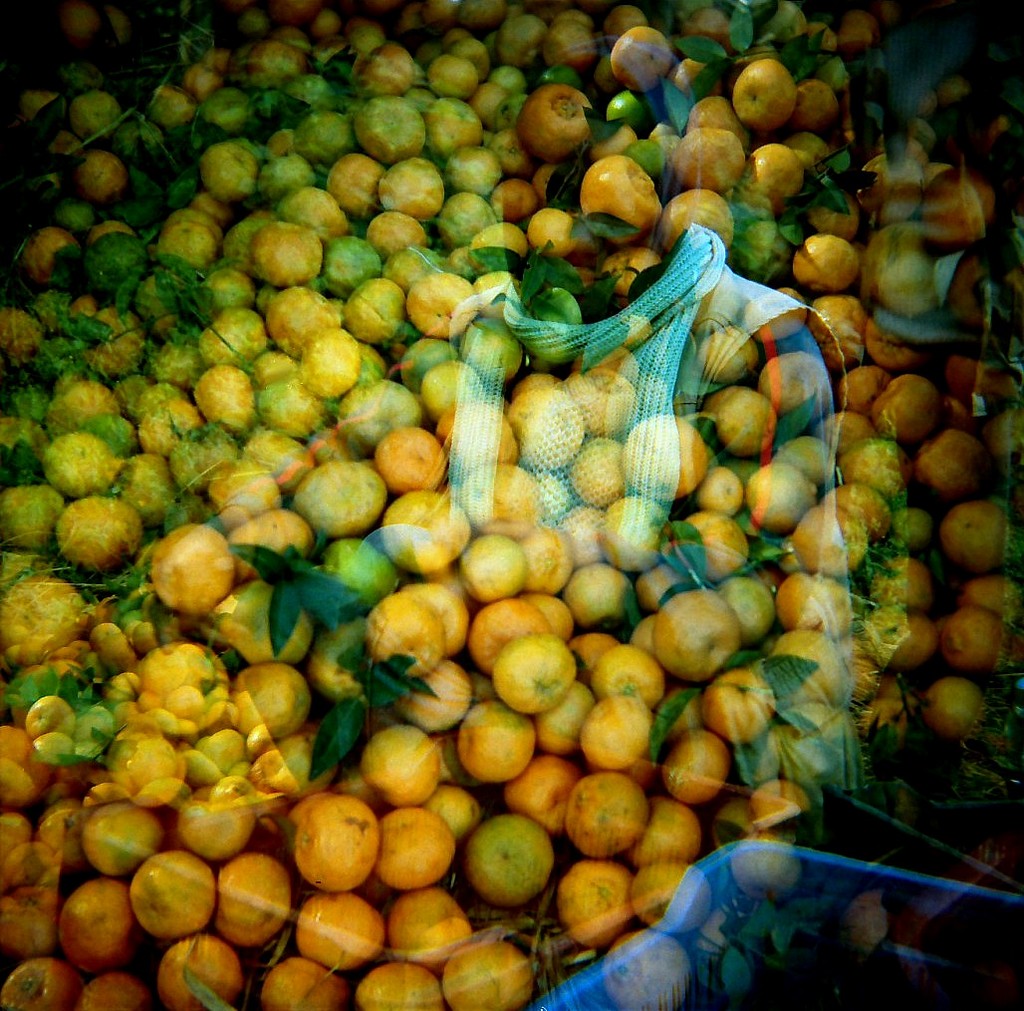
Orange baskets on the backs of women @ the mountain villages around Panorama Lodge, Nepal

Scan07

Chris and orange crates @ mountain villages around Panorama Lodge, Nepal

Scan04

Divine light on trek to Panorama Lodge, Nepal

Scan09

Drying corn @ mountain village around Panorama Lodge, Nepal

Scan11

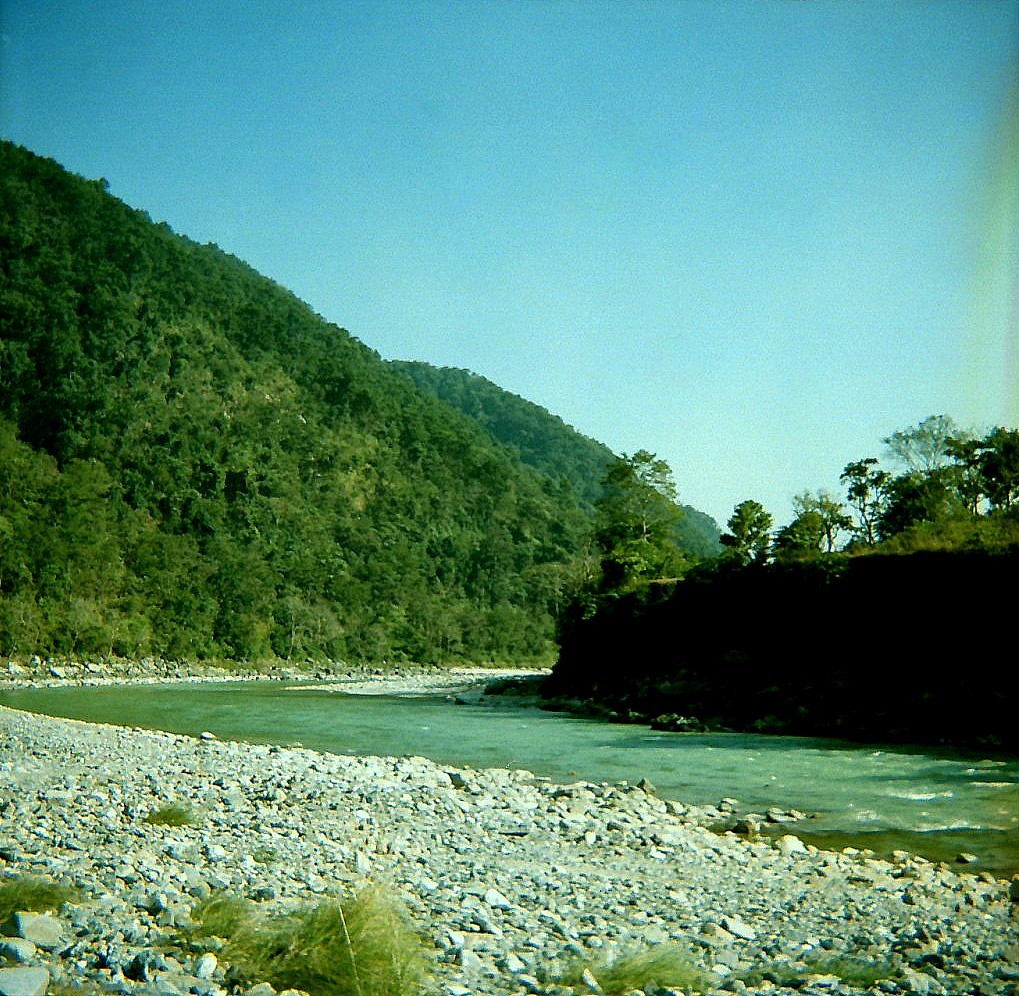
Seti River @ Seti River Camp, Nepal

Scan10

Seti River bed and stones @ Seti River Camp, Nepal

Scan12

Seti River @ Seti River Camp, Nepal

All photos taken by Maria Bitarello in December 2014, in Nepal.
Films used were Kodak Portra 400s, in 35mm and 120mm.

Do not bury the dead

The first tragic loss in my life was Saul’s. We were both 12, and he was accidently shot by another child, a neighbor who found his mother’s gun and fired from a window. Saul’s family is very close to mine and his death has, ever since, become a part of our lives. Of who I am. I cannot separate myself from that girl who was told before school, one September morning, that her friend was killed. We are the same.

The second tragic loss I experienced was my cousin’s, Daniela. I was a sophomore in college and she was 15 when her younger brother found her in her bedroom, breathless from an accidental chloroform overdose. There are those that say her death was avoidable, but it makes no difference whose fault it was. She’s not here. And that is the all-encompassing truth.

The third tragic loss was Jorge’s, a good friend from college who died a couple of years after we graduated. He was in the advanced stages of Aids and did not know he was sick until two weeks prior to his death. He was harshly judged by many, but the truth is that he was a beautiful man. And beauty deserves no punishment.

The fourth one was tough. Roberta and I were both 27 when she committed suicide and took with her memories that only the two of us shared. She was my oldest friend. With her went a part of me that no one else knows, and I felt amputated. Abandoned. For a while, I hated her for having brought that amount of pain and incomprehension into my life. I will never fully understand her decision, but I know it prevented me from ignoring death, and also suicide. Her swift and violent departure became a layer of my skin. And not only can I not imagine myself without this experience, I don’t want to. It taught me that I don’t need to understand in order to accept it. This loss, apart from all others, has been the single most brutal, real and liberating. It awakened me to mortality and, consequently, to life. And for this, I feel gratitude.

The fifth tragic loss in my life was Bruno’s, a high school friend. He succumbed to the injuries brought on by having nearly his entire body carbonized after a car crash. He was generous and kind, and reminded me that we cannot take with us anything from this life, this world. Not even our bodies, our vehicles of pleasure and pain, without which there is no life.

Lastly, there were two tragic losses that loved ones, close to me, experienced. Eugénie was younger than me and died from a brain tumor at 25. She craved life. And Alexandre was in his mid thirties and died in a plane crash. He was a gentle, loving soul. From them I learned that there will always be something left unsaid, undone, incomplete. And closure will come despite of it.

 * * * * *

We go through life creating bonds. With people. Places. Stories. And then we have to let them go, one by one. Unlike what we are told as children, death does not greet us only at the end. It doesn’t happen in the distant future, when we die. Death is all around us, all the time. And our own is but the last. Everyone I know will die. Everyone who has lived has died. Everyone still alive will also die. And so will I.

Knowing this fills me with release, surrender. Or faith is perhaps a better word. Not knowing when or how it will occur still allows me to accept and trust its inescapable and necessary quality. And this, alone, makes every living moment unique and a once-only experience. Good or bad, everything is a part of the living realm and, therefore, precious and worthwhile. Feeling sad and grieving takes its toll after some time, and we tire ourselves out of sadness. The same comes from bliss or contentment. It too will pass. And that’s ok.

In Portuguese, we have a word, saudades, which is difficult to translate into other languages. In English, we say we miss someone; in French, someone is missing from us. Saudades, however, conveys more than longing or nostalgia. It can be and often is a pleasant sensation. Because if you experience saudades from a loved one, it is the very affirmation that there is something to be missed; that the love in which you two are embalmed is the same feeling that you wish kept you company at this moment.

I like this word, and there is something to be learned from the Portuguese poets in times of grief. When we loose someone, his or her absence is overpowering. And yet, in the lusophone world, we are taught to not discard our dead. Saudades makes their absence present. Pain can be transformed; grief will no longer be frightening; the dead may live on in our flesh and groins. And we need never be alone.

We must admit there will be music despite everything*.

*From the poem “A brief for the defense”, by Jack Gilbert.

Boudhanath Stupa

Boudha

Nov. 28th 2014 in Kathmandu, Nepal.

O piano do pai dela

Tão longe, tão perto
Tão dúbio, tão certo
Fechado e aberto
Vazio, (in)completo

Licor e piano
Mutantes e Caetano
Cigarro com café
E palavras e gestos e risos e fé

No tempo, no vento
No riso, no risco
No amor, na dor, na cor, no que for
Fé em Má e em Rô

Tão perto, tão certo
Tão perto, aperta
Tão longe é incerto
Tão súbito, desperta

É mesmo frágil, pois que livre e leve
Tão solto que afina como desafina
Algo que não se mede, não se pede ou que se negue
Sem você não encontro a rima
De duas – uma e mais uma menina

Por enquanto, é verdade
Já que sem pedras da cidade, da ansiedade, da vontade, da vaidade, da idade
Meninas que somos, meninas que fomos
Temos a amizade, a liberdade, a cumplicidade, a saudade

Recommended by Lonely People

Created, written and directed by Alfredo Brant.

Iya Shango

IYA_SHANGO_01

« Todo tempo é susceptível de virar um tempo sagrado;
a todo momento, a duração pode ser transmudada em eternidade. »
« In illo tempore, nos tempos míticos, tudo era possível. »
Mircea Eliade

IYA_SHANGO_02

IYA_SHANGO_03

IYA_SHANGO_04

A repetição do cotidiano, massacrante a princípio, sublima, pelo cansaço, seus agentes. Gestos e saudações que repetem, ao infinito, o ato criador, a origem da aldeia, da tribo, do mundo. Aldeia : centro do mundo. No ato de cozinhar, de cantar, de reverenciar está sempre, por detrás, o gesto original e criador : o gesto mesmo do divino, que se atualiza no presente através do homem, trazendo o tempo sagrado, o tempo do mito para o tempo profano a qualquer momento, sem aviso, sem censura. Não é só no rito que o tempo sagrado se regenera, mas todos os dias, de novo, e de novo, e de novo.

IYA_SHANGO_05

IYA_SHANGO_06

IYA_SHANGO_07

As crianças, assim que saem das costas das mães, andam em bando, uma comunidade de infantes que garantem eles próprios seus cuidados. A princípio nus, depois vestidos; primeiro dormindo nas costas da mãe, depois na da irmã ou prima ou vizinha ou nenhuma delas, por fim andando, correndo. As mulheres estão sempre a trabalhar, costas arqueadas em direção ao chão, na limpeza, na cozinha, incessantes e incansáveis provedoras que buscam água, acendem o fogo. Os homens agraciam-se, uns aos outros, com o carinho e o toque que não se vê entre um homem e uma mulher, um homem e suas mulheres. Observam, da sombra. Homens que são.

IYA_SHANGO_08

IYA_SHANGO_09

IYA_SHANGO_10

IYA_SHANGO_11

IYA_SHANGO_12

IYA_SHANGO_13

Na perfeita ordem do universo, que do caos de suas partículas restabelece o sentido, elimina o sobressalente, realinha os elementos. Caos, como um átomo visto de fora, elétrons a se chocarem, um centro nuclear inatingível, e a energia entre os dois. Alguns elétrons que são bombardeados para fora da unidade, nucléolos em explosão, convulsão, catarse. O som percussivo pulsa, bate, ataca, repele, seduz, conduz, alucina, sublima. Cala.

IYA_SHANGO_14

IYA_SHANGO_15

IYA_SHANGO_16

Desfaz-se o centro, dissipa-se a energia. E de repente o caos parecia muito mais coreografado que a apatia que se segue, olhares que voltam-se uns para os outros, tambores silenciosos, corpos sem espasmos, poeira assentada, Céu e Terra desgarrados. A energia – puf! – sumiu, não está mais ali. Está em todo lugar, está em outro lugar. A vivência do divino é tão real quanto a terra vermelha embaixo das unhas. Vivência para uns, testemunho para outros. Como foi ontem e será amanhã, desde sempre, para sempre, como sempre, não se conta o tempo. Há quem esteja, mas aqui é.

IYA_SHANGO_17

IYA_SHANGO_18

IYA_SHANGO_19

IYA_SHANGO_20

Kétou é o centro do mundo.

IYA_SHANGO_21

Photographed in Kétou, Benin, in January 2009.

Photos by
Maria Bitarello and Fábio Nascimento.
Texto: Maria Bitarello
A film by Nuno Aires.
Sound by Camille Barrât.

Exhibition at Galérie Goutte de Terre,
in Paris, in the spring of 2011.

Inland Empire & State of Jefferson

Scan01

Carolyn & the Volvo @ California desert, Vegas-bound (April, 2014)

Scan02

Carolyn & the Volvo @ Mojave National Reserve, California (April 2014)

Scan03

Carolyn @ Mojave National Reserve, California (April 2014)

Scan04

Crossroads @ Mojave National Reserve, California (April 2014)

Scan05

Carolyn & desert dunes @ Mojave National Reserve, California (April 2014)

Scan06

Mojave National Reserve, California (April 2014)

Scan07

Roy’s Motel, full vacancy @ Inland Empire, California (April 2014)

Scan08

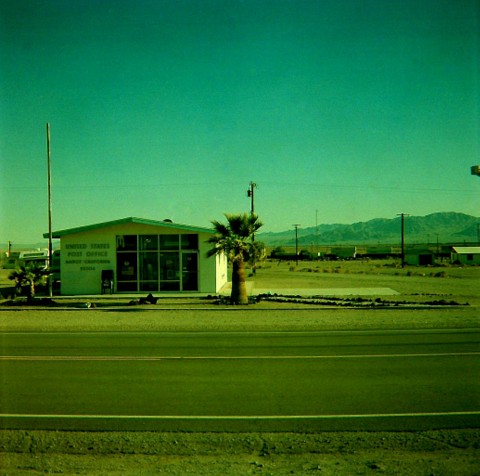
US Post Office @ Inland Empire, California (April 2014)

Scan09

Carolyn & man @ Oasis & San Andreas’ Fault @ Inland Empire, California (April 2014)

Scan10

Super-furry Palm Trees @ Oasis & San Andreas’ Fault @ Inland Empire, California (April 2014)

Scan11

Surfaced water @ Oasis & San Andreas’ Fault @ Inland Empire, California (April 2014)

Scan12

Sun and shade @ Oasis & San Andreas’ Fault @ Inland Empire, California (April 2014)

Scan13

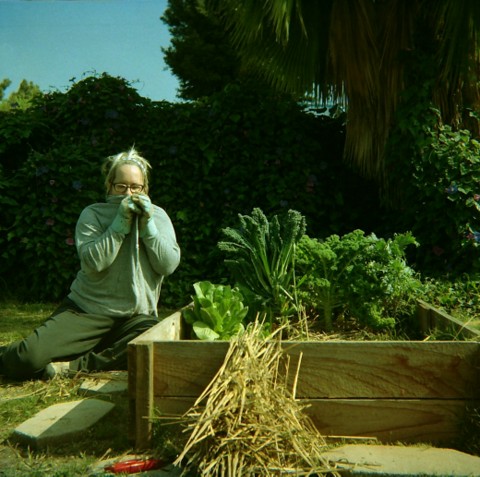
Carolyn kale gardening in Los Feliz, California (April 2014)

Scan14

Chris’ Crash Pad, Ruch, Oregon (April 2014)

Scan15

Chris’ Crash Pad, Ruch, Oregon (April 2014)

Scan16

Chris’ Crash Pad, Ruch, Oregon (April 2014)

Scan17

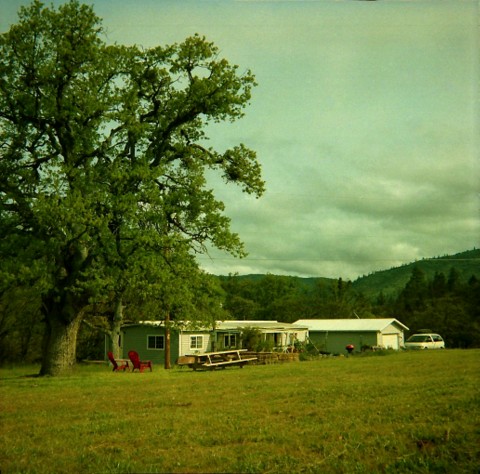
The Oak Tree @ Chris’ Crash Pad, Ruch, Oregon (April 2014)

Scan18

Easter reenactment @ Jacksonville, Oregon (April 2014)

Scan19

Writers Chris & Anna @ Jacksonville, Oregon (April 2014)

Scan20

Jacksonville, Oregon (April 2014)